Switch to peat-free potting mix with a useful trial
Read the formulation, observe moisture below the surface and adjust feeding from the label.
Choose the right product for the job
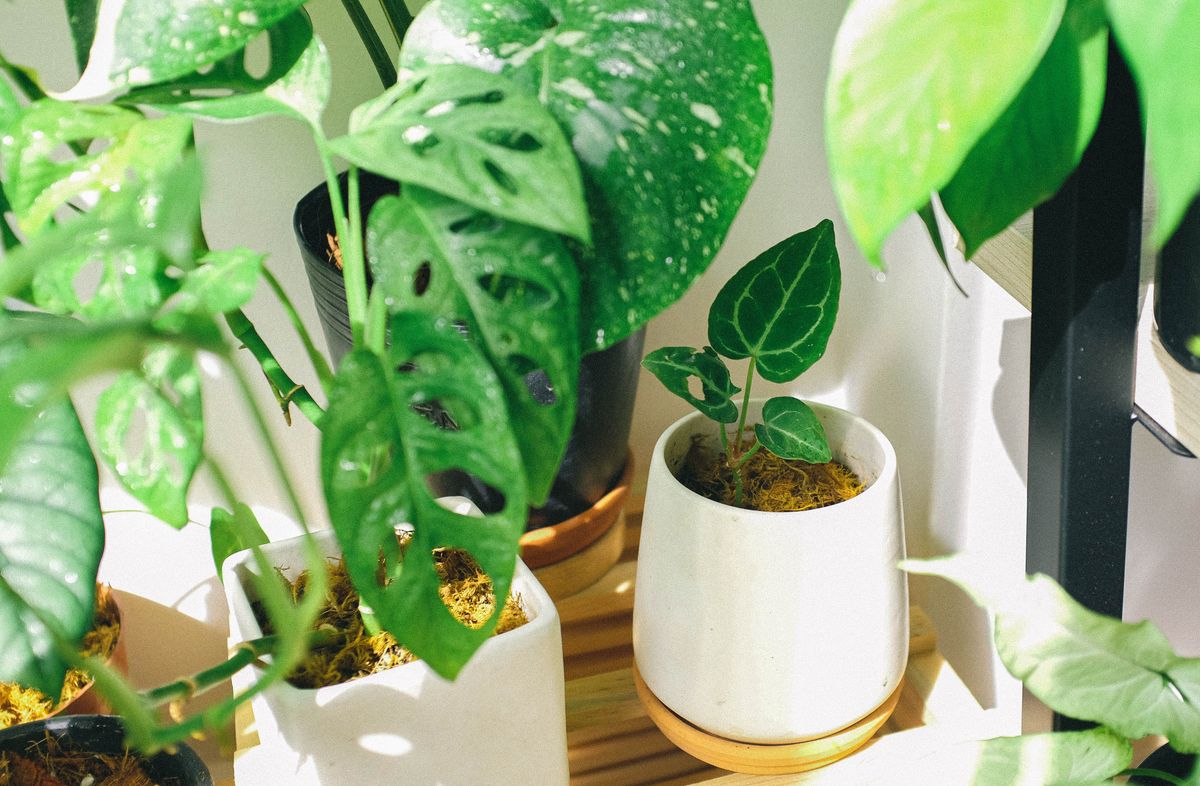
Peat-free growing media can contain bark, wood fiber, coir, green compost, and mineral ingredients in different combinations. The RHS explains that these materials have different physical and nutrient properties, so one bag does not represent every peat-free mix. Choose a product intended for your plant and task: seed sowing, ordinary containers, or a specialist group. Read the wording carefully rather than assuming a general environmental claim means peat-free. Begin with a small number of ordinary plants if you are changing media for the first time, leaving yourself room to learn how the mix behaves.
Follow the actual instructions
Read the watering and feeding guidance on the bag and keep a photograph of it with your plant notes. A familiar routine from another medium may not transfer perfectly. Note whether the product contains fertilizer and how long the manufacturer expects that nutrient supply to last. Use a suitable draining container and avoid adding random ingredients before you have observed the unmodified product. If you alter the mix immediately, you make it harder to tell whether a later problem comes from the product, the amendment, or your care routine. A simple trial produces clearer evidence.
Check deeper than the surface
Some mixes look dry on top while holding useful moisture below. Lift a manageable pot and compare its weight after watering and as it dries. Inspect the root-zone moisture using a method appropriate to the container and plant. If the medium resists rewetting after it becomes very dry, follow the manufacturer's directions for restoring even moisture. Avoid assuming that more frequent watering is the answer to every different surface appearance. Record a few observations across warm and cool days so the trial teaches you the relationship between the mix, weather, and the plant's water use.
Keep soil improvement separate
Bagged potting mix and garden compost serve different purposes. The RHS advises using suitable soil improvers for beds and notes that peat is not used as mulch or soil improver in its gardens. For your own beds, choose an amendment suited to the soil and the crop instead of spreading expensive container medium across the ground. Homemade compost can be valuable for soil improvement, but its variability may make it unsuitable for sensitive seed-starting work. Match material to function. This keeps the transition practical and avoids blaming a growing medium for being used in a job it was not designed to do.
Evaluate roots and new growth
Compare plants using similar species, containers, and conditions when possible. Look at new leaves, root development, drainage, and the ease of keeping moisture appropriate. Record the product name and batch if available. If you encounter a problem, consult the manufacturer's guidance or a horticultural adviser with the details of your trial. You do not need to prove that every possible formulation behaves identically. The useful result is a peat-free product and routine that work for your own plants, while making the environmental choice a maintainable part of ordinary gardening rather than a one-time experiment.
Sources & further reading
Source links support the factual context. Practical examples and suggested workflows are original editorial guidance. Sources checked October 5, 2026.
Spotted something we should correct? Send a correction. Read our editorial policy.