Houseplants · In focus
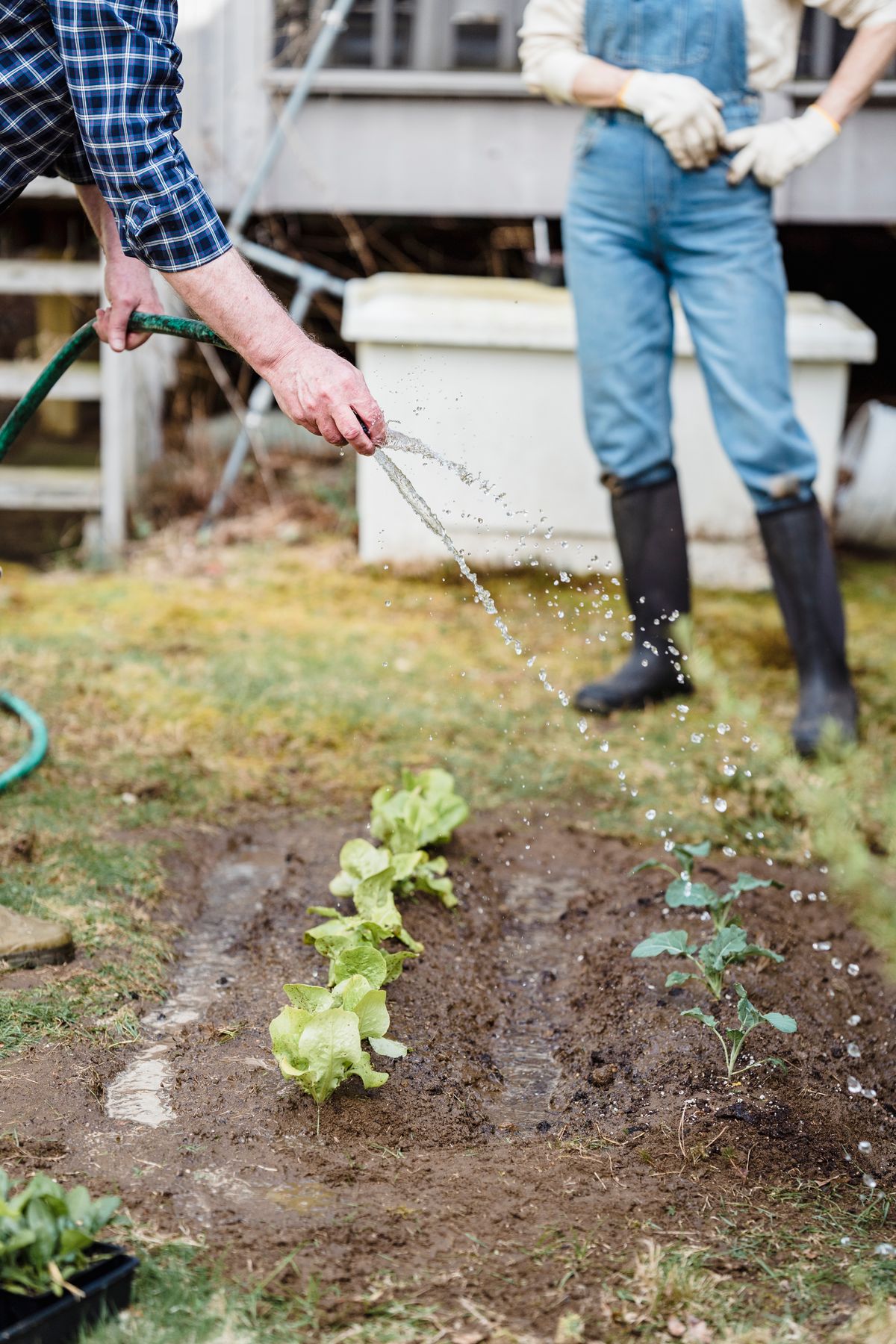
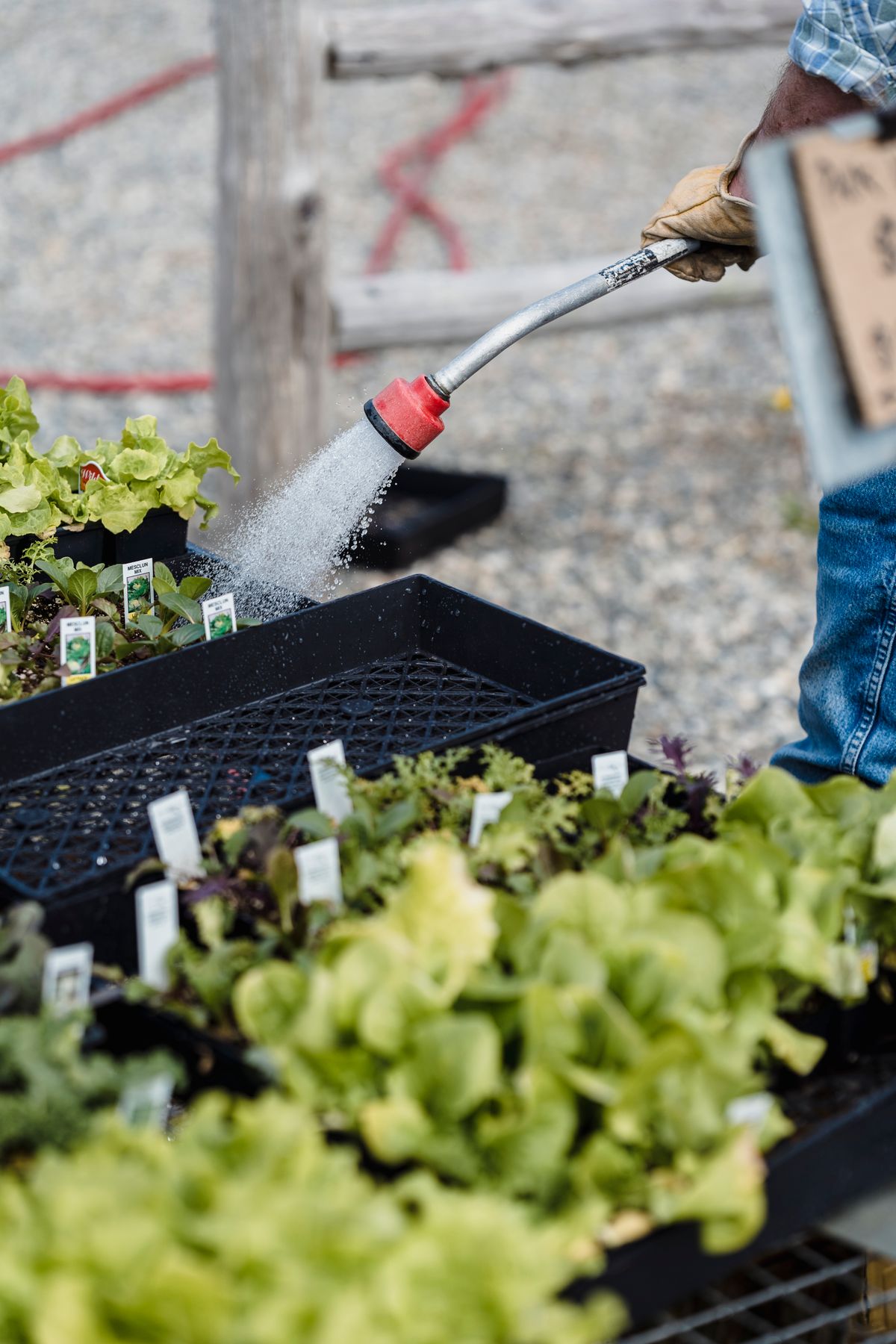
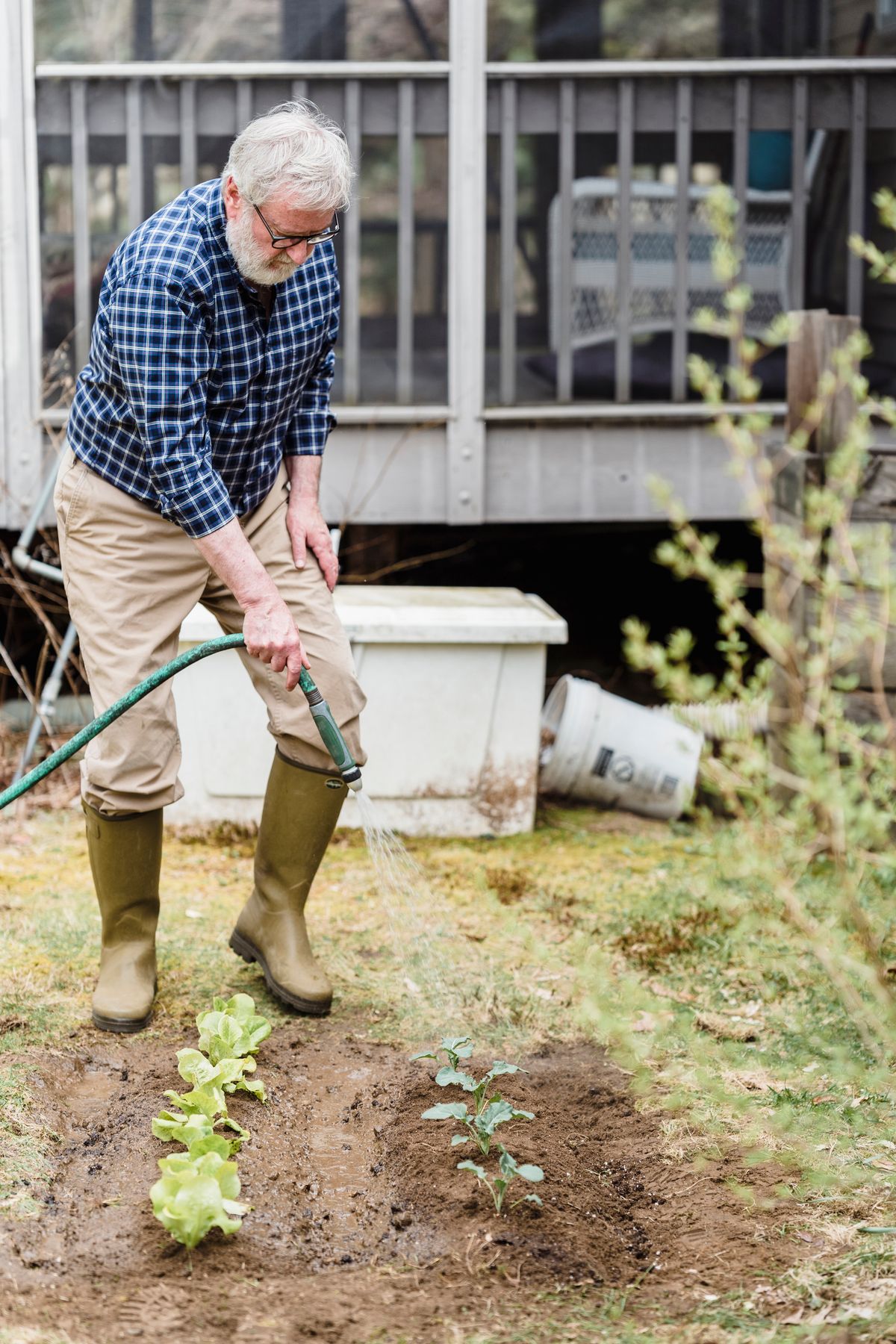
Water houseplants by evidence rather than weekday
Learn what a pot feels like before and after watering, then adapt to the plant.
Learn what a pot feels like before and after watering, then adapt to the plant.
Observe direction, distance and seasonal shade to match plants with the room you have.
Use root condition and growth to choose the timing, mix and next container.
Identify the insects, monitor adults and correct persistently wet growing conditions.
Read the formulation, observe moisture below the surface and adjust feeding from the label.
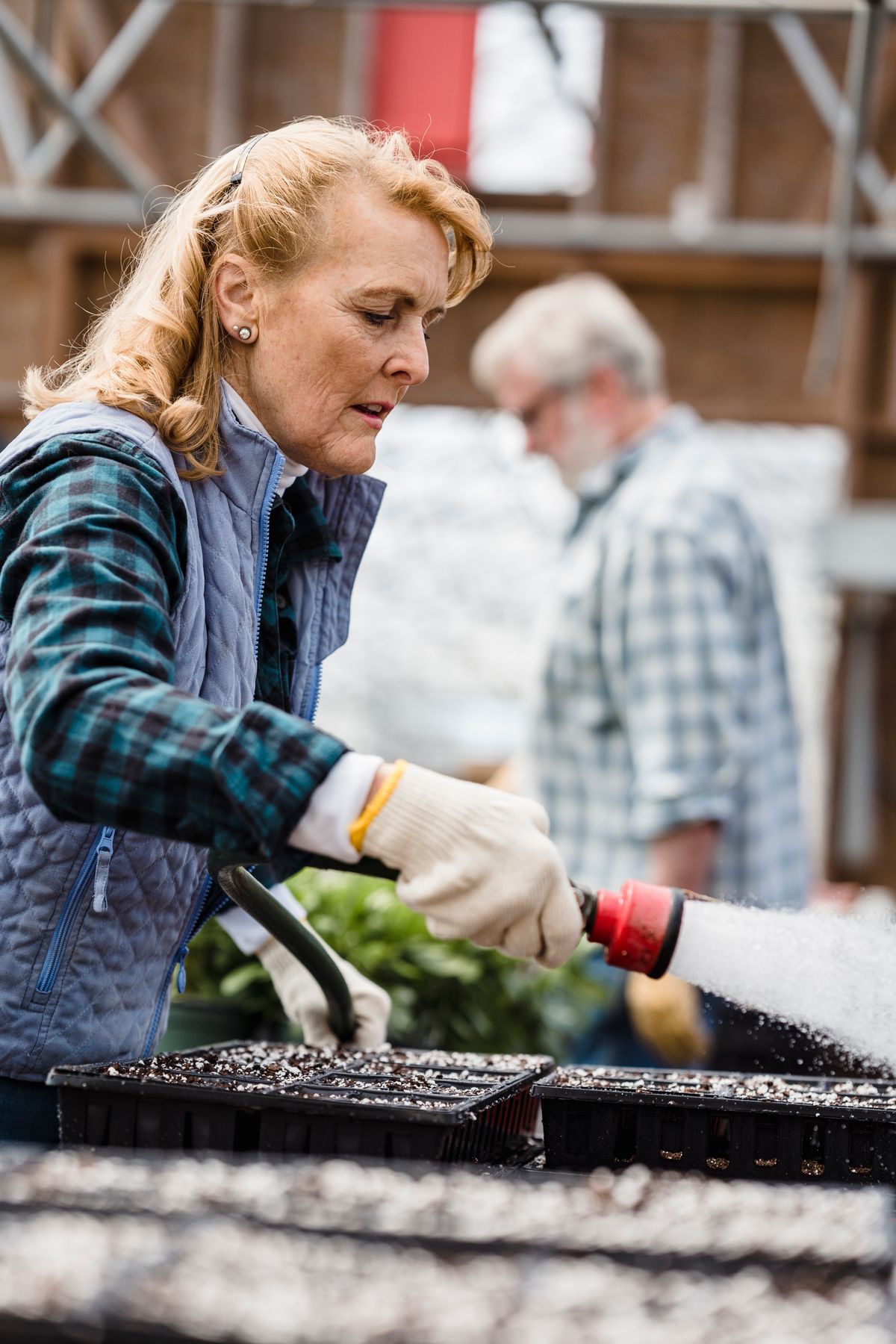
Work backward from local planting conditions and give seedlings enough light.
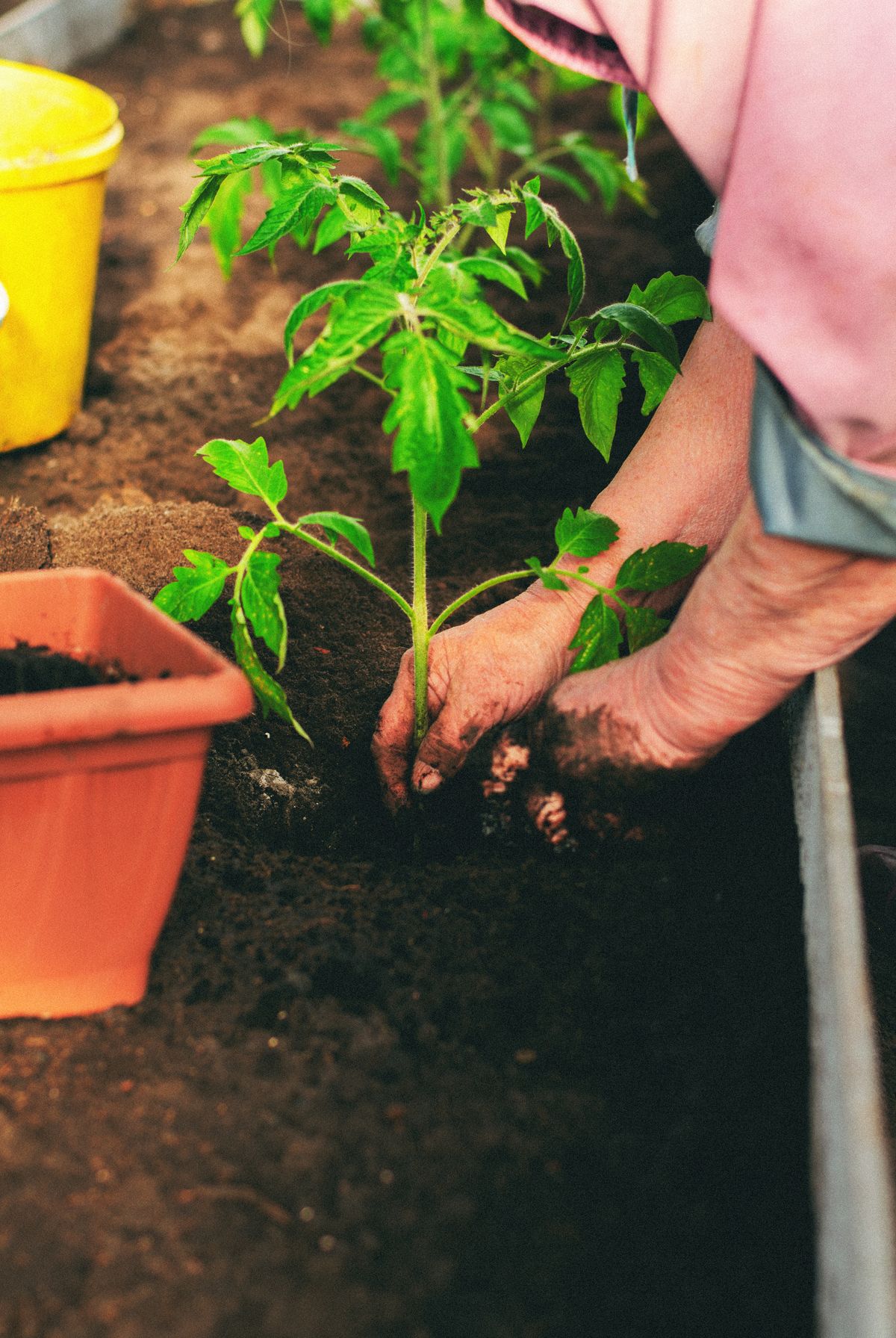
Choose the growth habit, install the structure early and keep fruit off the soil.
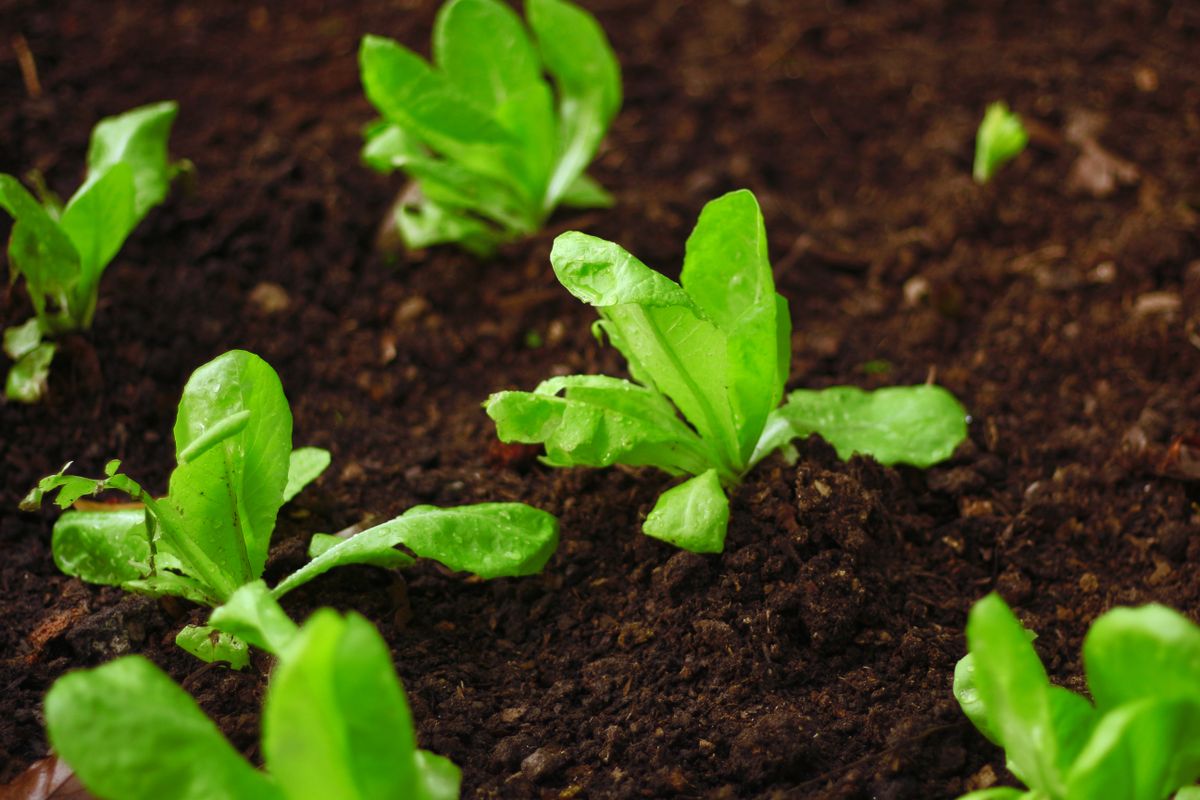
Match greens to the season and sow only what your household can use.
Choose three useful herbs and give each its own moisture and light routine.
A representative sample helps distinguish nutrient questions from drainage and contamination concerns.
Prioritize vulnerable plants and design watering around root zones and local restrictions.
Choose material for the job and apply it to a prepared, appropriately moist surface.
Pair food scraps with stored browns and troubleshoot moisture and air before buying gadgets.
Choose a safe covered system, direct overflow sensibly and match capacity to demand.
Summer resilience must be checked alongside winter drainage, hardiness and establishment needs.
Use regional plant lists to fill flowering gaps and include caterpillar hosts.