Make a drought plan before the garden is thirsty
Prioritize vulnerable plants and design watering around root zones and local restrictions.
Map what needs help first
A dry spell is easier to manage with a priority list. Identify newly planted trees and shrubs, containers, food crops at sensitive stages, and established plants that usually cope without irrigation. The RHS's water-management guidance places plant choice, collection, and thoughtful watering within sustainable gardening. Translate that broad advice into a map of your own site. Note sandy areas, exposed slopes, shaded beds, and places affected by wind. A plant's need depends on its roots and conditions, so a large established shrub may be less vulnerable than a small new plant beside it.
Check the soil before the leaves
Inspect moisture at a useful depth rather than judging only a dusty surface. Watch plants at different times of day; temporary midday drooping does not always mean the root zone is dry. Containers need separate checks because a small volume of medium can change quickly. Record what you find for several days. If water runs straight off a bed, pause and assess the soil surface and application method. The aim is to get water into the area roots use, not to create an attractive wet patch that disappears while the lower soil remains unchanged.
Water deliberately and legally
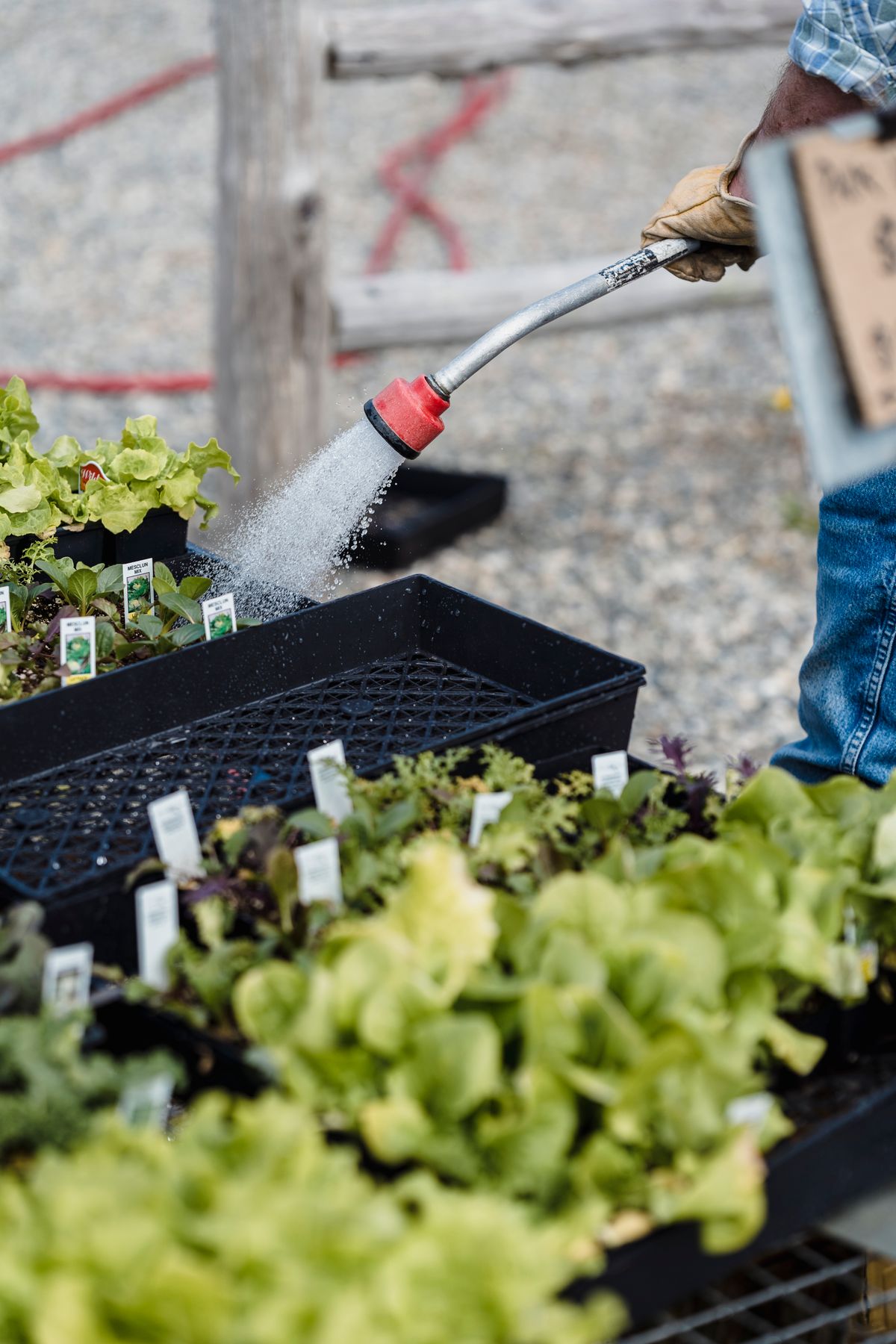
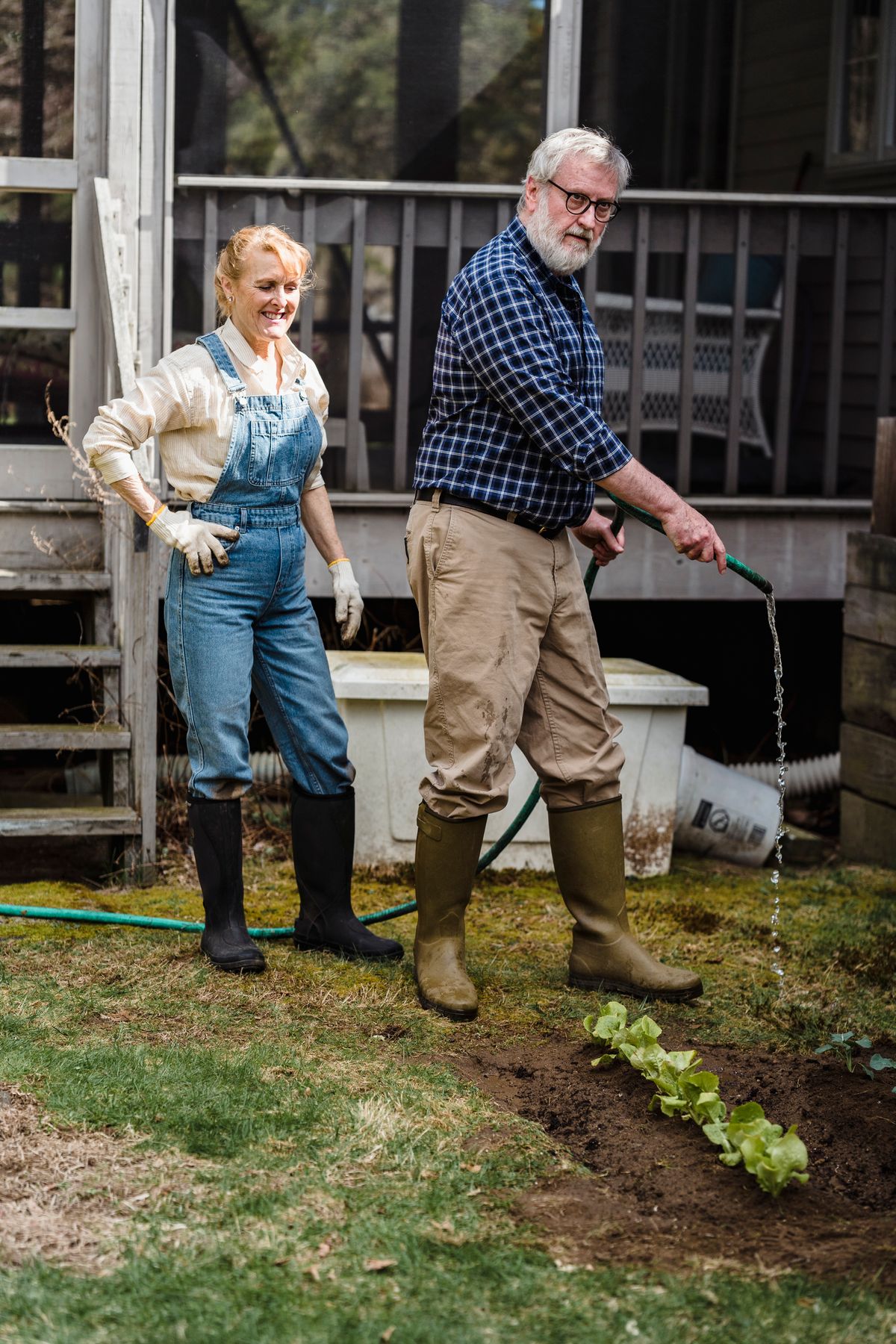
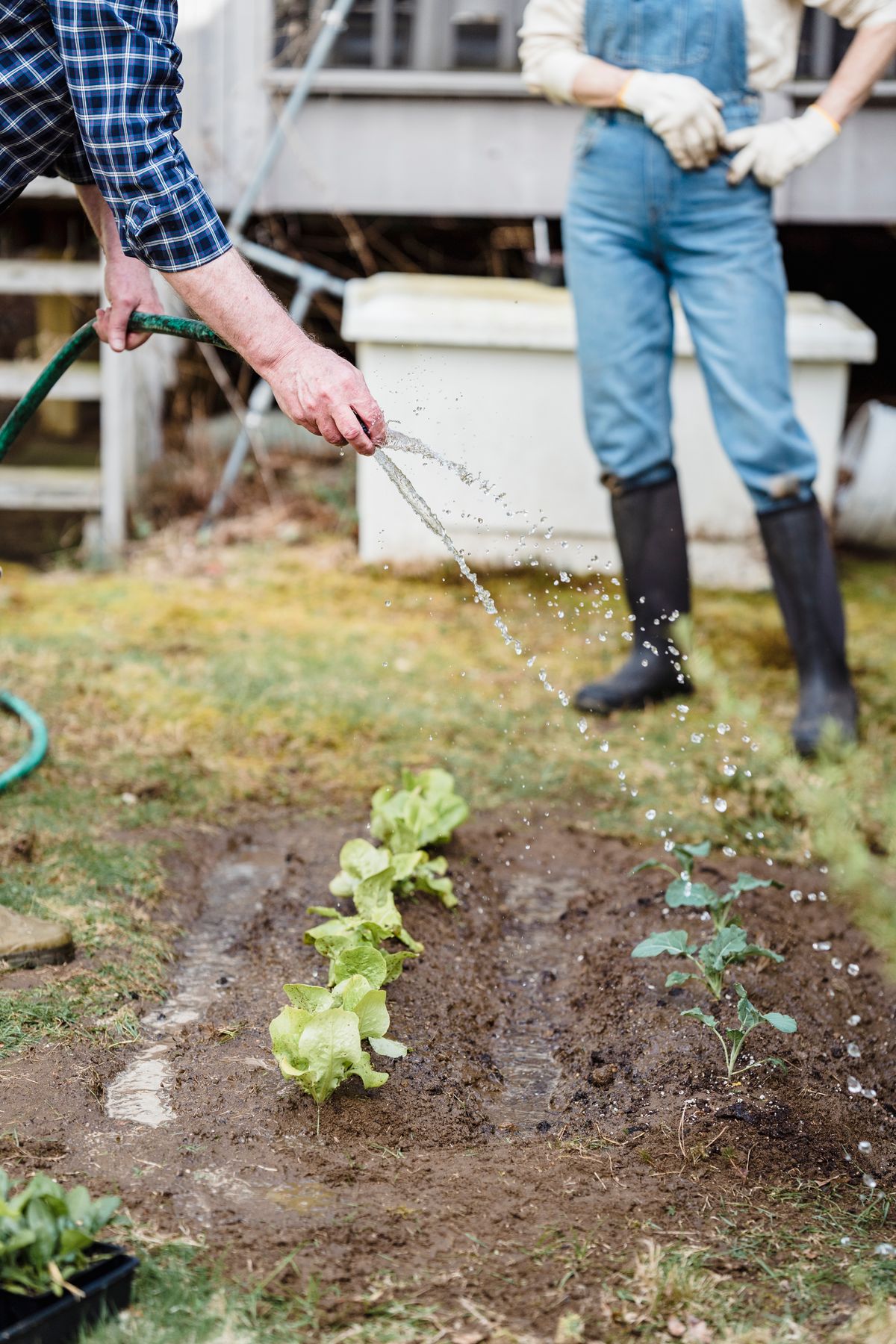
Follow local restrictions and use permitted methods. Apply water to the root zone in a way that allows infiltration, avoiding unnecessary loss to paths or areas without roots. A slow application may be more useful than a brief spray across the whole garden. Check any irrigation system for leaks, blocked emitters, and uneven coverage. Do not leave a new system unattended before verifying its behavior. Match frequency and volume to the plant, soil, and weather rather than prescribing the same amount for every garden. Keep an accurate note of what was applied and how the soil responded.
Reduce future demand
Use suitable mulch on appropriate moist soil, leaving necessary space around stems and respecting the needs of each plant. Group future plantings by water requirements so irrigation does not repeatedly favor one species at another's expense. Consider shade, wind exposure, and the timing of planting in your climate. Drought-tolerant plants still need establishment care and may fail in winter-wet ground, so check drainage and hardiness alongside summer tolerance. Rainwater storage can help, but its capacity and availability should be realistic. A small barrel does not guarantee enough water for a large landscape during a long dry period.
Review after the stress passes
Record which plants recovered, which failed, and where your attention had the greatest benefit. Avoid replacing every loss with the same species in the same unsuitable position. Improve the plan gradually with better siting, soil management, and locally appropriate choices. Separate survival from appearance: an established planting may lose some visual freshness while remaining viable. Seek reliable advice when symptoms could indicate disease or root damage. A drought plan should make care decisions clearer, conserve available water, and guide the next planting season toward a garden whose needs fit the site more comfortably.
Sources & further reading
Source links support the factual context. Practical examples and suggested workflows are original editorial guidance. Sources checked October 5, 2026.
Spotted something we should correct? Send a correction. Read our editorial policy.