Mulch a bed with room for stems and soil life
Choose material for the job and apply it to a prepared, appropriately moist surface.
Decide what the mulch should do
Mulch can help conserve moisture, suppress some weeds, and influence the soil surface, but different materials behave differently. The RHS describes organic and other mulches and the reasons gardeners use them. Define your purpose before collecting a load: a vegetable bed, shrub border, path, and container may need different approaches. Check whether the material is appropriate for the plants, local climate, and household. Some materials pose hazards to pets or create maintenance problems in a particular setting. A useful choice solves a real surface-management problem rather than simply matching a photograph of a tidy garden.
Prepare the ground first
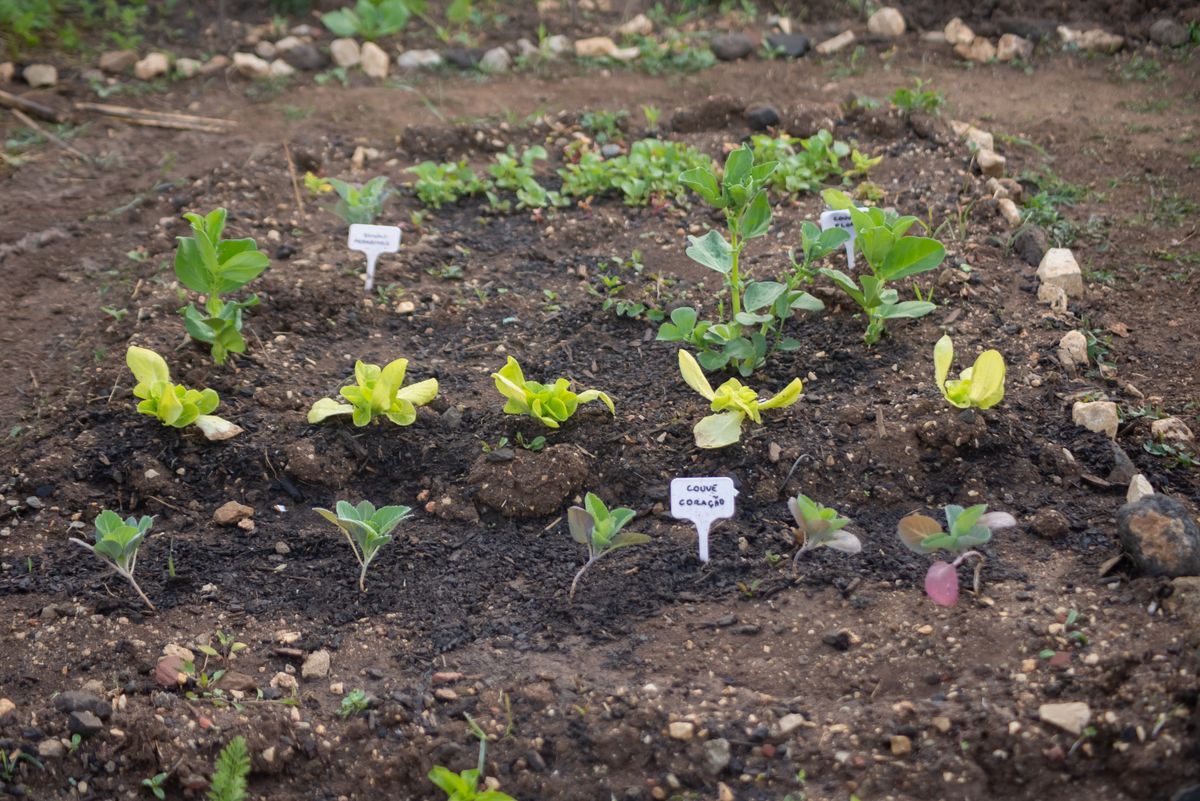
Remove persistent weeds appropriately and inspect moisture before covering the surface. A layer applied over very dry ground can make later observation harder, while weeds with strong underground structures may continue through an ordinary mulch. Avoid working soil when conditions make compaction likely. Check for irrigation lines, emerging shoots, and plants that need a different surface treatment. If you are applying compost as mulch, consider its nutrient contribution and the site's soil-test history. Do not treat an organic layer as permission to add unlimited nutrients every year without considering what the garden already contains.
Use an appropriate layer
Follow reliable guidance for material, thickness, and plant type. Keep mulch away from trunks, crowns, and vulnerable stems rather than building a mound against them. Cover the intended root-zone area while maintaining access and visible boundaries. Do not bury young plants or block drainage openings. For a tree, a useful mulch area should be broad rather than piled high at the trunk. For a vegetable bed, keep the crop's stage and pest context in mind. The exact application depends on the material and site, so avoid making one depth a universal rule for everything you grow.
Inspect what changes underneath
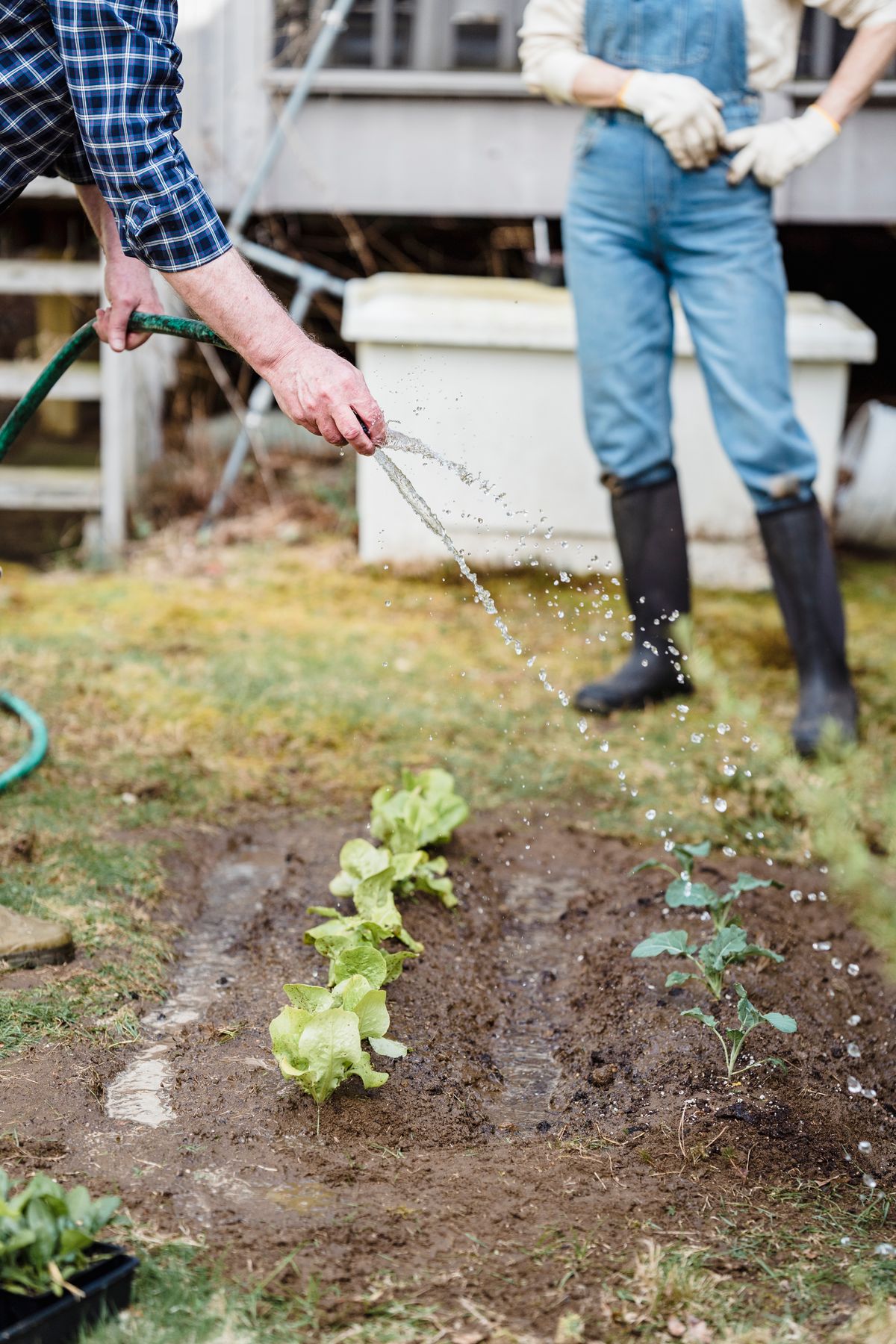
After watering or rain, check whether moisture reaches the soil and whether the mulch remains in place. Observe slugs, weeds, and other organisms without assuming every inhabitant is harmful. Organic material breaks down at different rates, and settling can change the effective layer. Replenish when justified rather than adding another full layer automatically on top of many previous years. If a problem develops, inspect the soil and plant base before applying a pesticide or fertilizer. The cover should make maintenance easier while remaining a system you can see and adjust, not a barrier that hides every developing issue.
Plan the material cycle
Use locally available, suitable material where practical and keep records of what you applied. Leaves, compost, and chipped woody material can have different best uses, so allocate them thoughtfully. Avoid moving contaminated or unsuitable material into an edible growing area. Keep paths safe and prevent loose material from washing into drains. At the end of the season, evaluate watering needs, weed pressure, and plant health rather than the layer's appearance alone. Good mulching is a measured addition to a broader garden plan, supporting the soil surface while preserving space for stems, appropriate moisture, and ordinary observation.
Sources & further reading
Source links support the factual context. Practical examples and suggested workflows are original editorial guidance. Sources checked October 5, 2026.
Spotted something we should correct? Send a correction. Read our editorial policy.