Map your window light before buying another plant
Observe direction, distance and seasonal shade to match plants with the room you have.
Look at the actual space
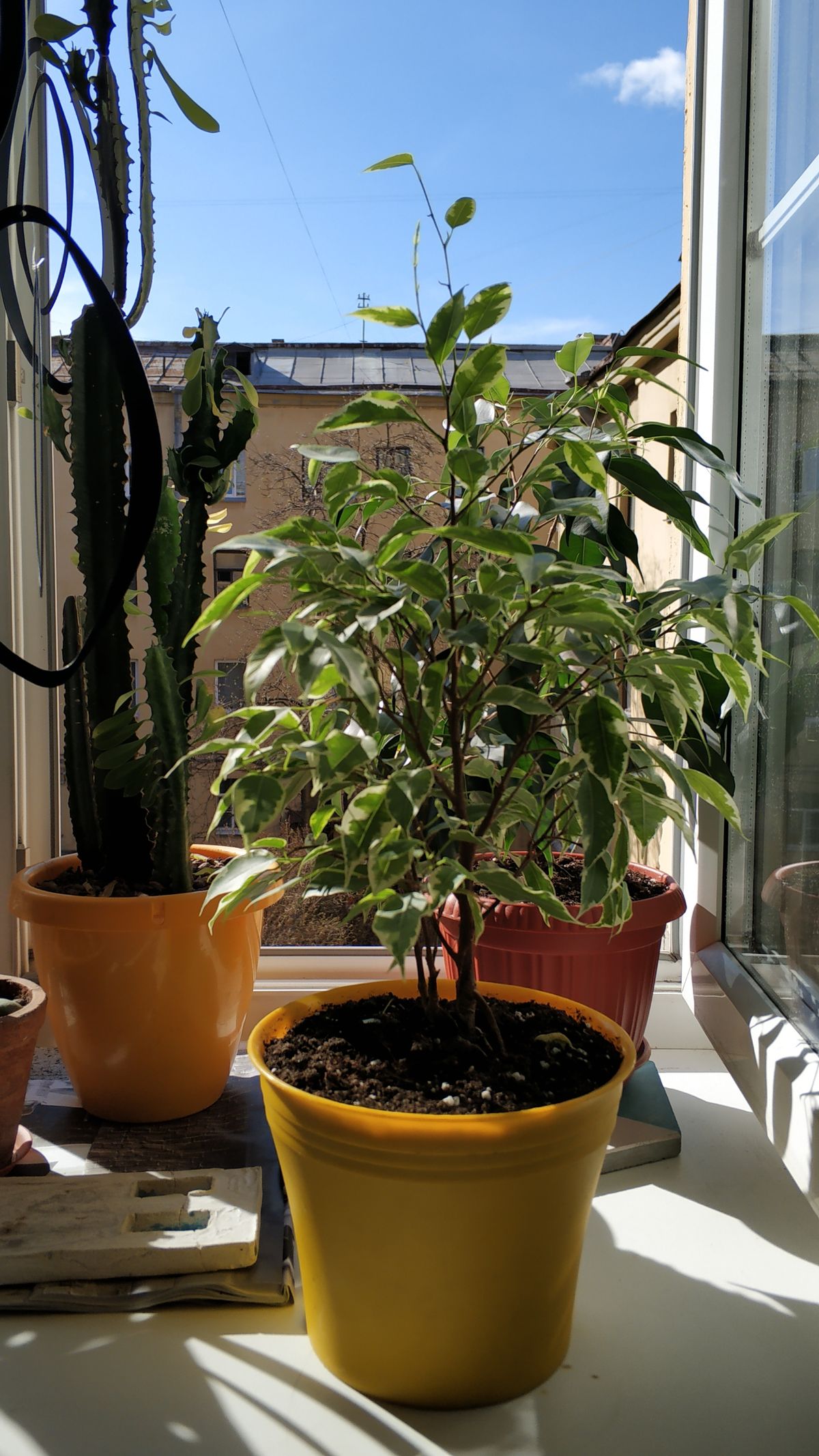
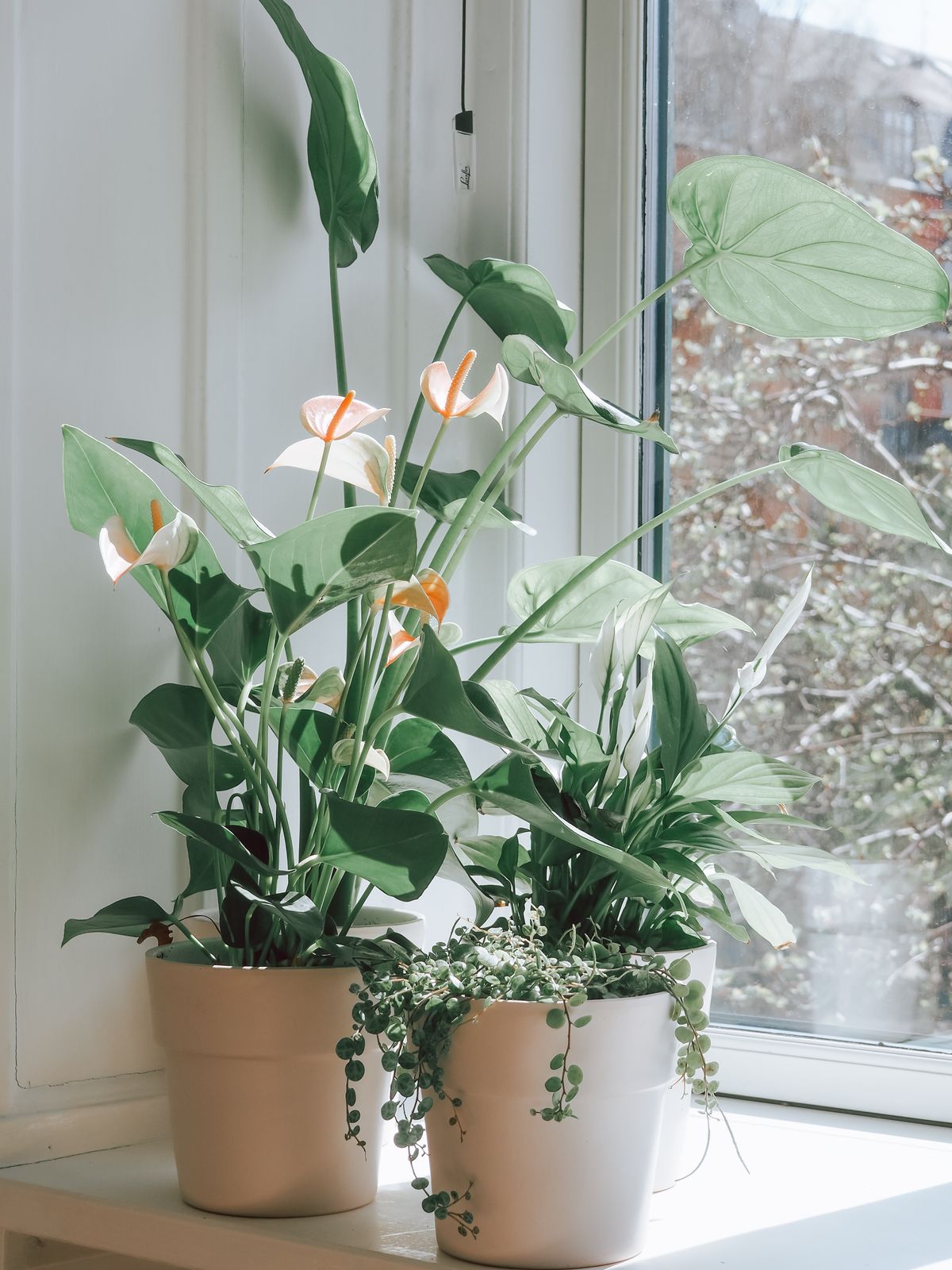
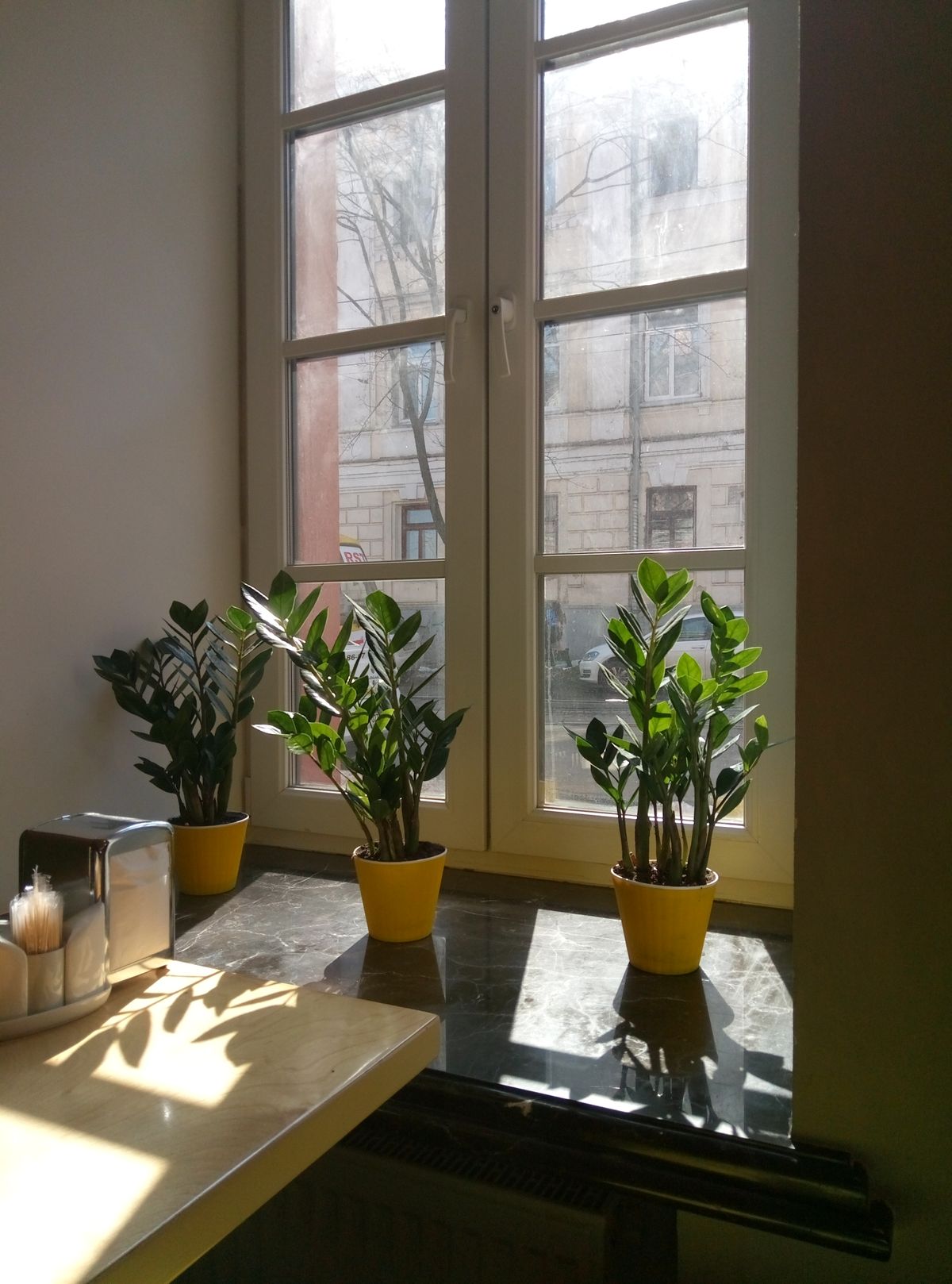
Window direction is a starting clue, not a complete description of indoor light. Nearby buildings, trees, roof overhangs, curtains, and the distance from glass all change what reaches a leaf. University of Minnesota Extension's winter advice discusses light and stretching, reminding indoor growers that conditions shift across the year. Pick the exact shelf or corner where you want a plant to live and observe it before shopping. A bright-looking room to human eyes may still offer little usable light several meters from the window. The plant has to grow in the position you choose.
Make a simple observation map
At several times on a clear day, note where direct sun falls and how long it stays. Repeat on another day if the first is unusually cloudy. Mark the window, furniture, curtains, and intended plant locations on a rough sketch. Record whether the sun is gentle morning light or intense afternoon exposure. If you use a light meter, understand what it measures and avoid comparing numbers from different methods as though they were identical. The map need not be technically elaborate. Its purpose is to distinguish a sunny sill from a nearby shelf and a genuinely shaded corner.
Match needs to the observed pattern
Read species-specific requirements from a botanical institution, extension service, or reputable horticultural reference. The phrase low light usually describes tolerance for a reduced level, not an ability to grow without meaningful light. A succulent commonly needs different conditions from an understory tropical plant. Consider leaf color and growth habit as well as the species name. Do not buy a plant that requires a sunny position if you are committed to placing it in a dark hallway. Choosing a suitable species is easier and cheaper than repeatedly trying to rescue an unsuitable one with new products.
Move plants gradually
A plant grown in a shaded nursery or shop may need gradual adjustment before strong direct sun. Watch for scorching and other stress when changing exposure. Rotate a pot modestly when appropriate so growth does not lean permanently toward one side, while remembering that rotation cannot replace inadequate light. If a supplemental lamp is needed, check the manufacturer's safe placement and use instructions. Keep electrical equipment away from water and avoid hot fixtures near leaves or curtains. A timer can make a suitable lighting schedule easier to maintain, but the plant's response still needs observation.
Revisit the map seasonally
The sun's angle and day length change, and a deciduous tree outside can transform the window's light after leaves emerge or fall. Review the placement when seasons change rather than assuming a successful summer location will work through winter. Track the shape and spacing of new growth; old damage will not necessarily disappear when conditions improve. If a plant remains stretched or weak, reassess the actual light before increasing fertilizer. A useful light map gives every purchase a plausible home and helps you arrange a collection around the conditions the room can genuinely support.
Sources & further reading
Source links support the factual context. Practical examples and suggested workflows are original editorial guidance. Sources checked October 5, 2026.
Spotted something we should correct? Send a correction. Read our editorial policy.