Water houseplants by evidence rather than weekday
Learn what a pot feels like before and after watering, then adapt to the plant.
Begin with the plant and the pot
A weekly reminder can help you remember to inspect a houseplant, but it should not automatically trigger watering. Species, light, temperature, pot size, and growing medium all affect how quickly water is used. University of Maryland Extension explains indoor watering and the importance of avoiding poor drainage and problematic salt buildup. Start by identifying the plant and reading its particular moisture needs. A cactus and a fern can share a windowsill while needing different treatment. Check that the inner pot has drainage holes and that the decorative outer container does not trap runoff.
Learn a useful weight comparison
After a suitable watering, allow the pot to drain and lift it carefully. Notice the weight. Check again as the medium dries, using a finger or another appropriate method to inspect moisture below the surface. The comparison is more informative than touching only the top layer, which can dry before the root zone does. For a large pot you cannot safely lift, use consistent observations of the growing medium and the plant instead. Keep a short note for two weeks describing conditions, moisture checks, and watering. You are learning the behavior of this particular container in this particular room.
Water the root zone evenly
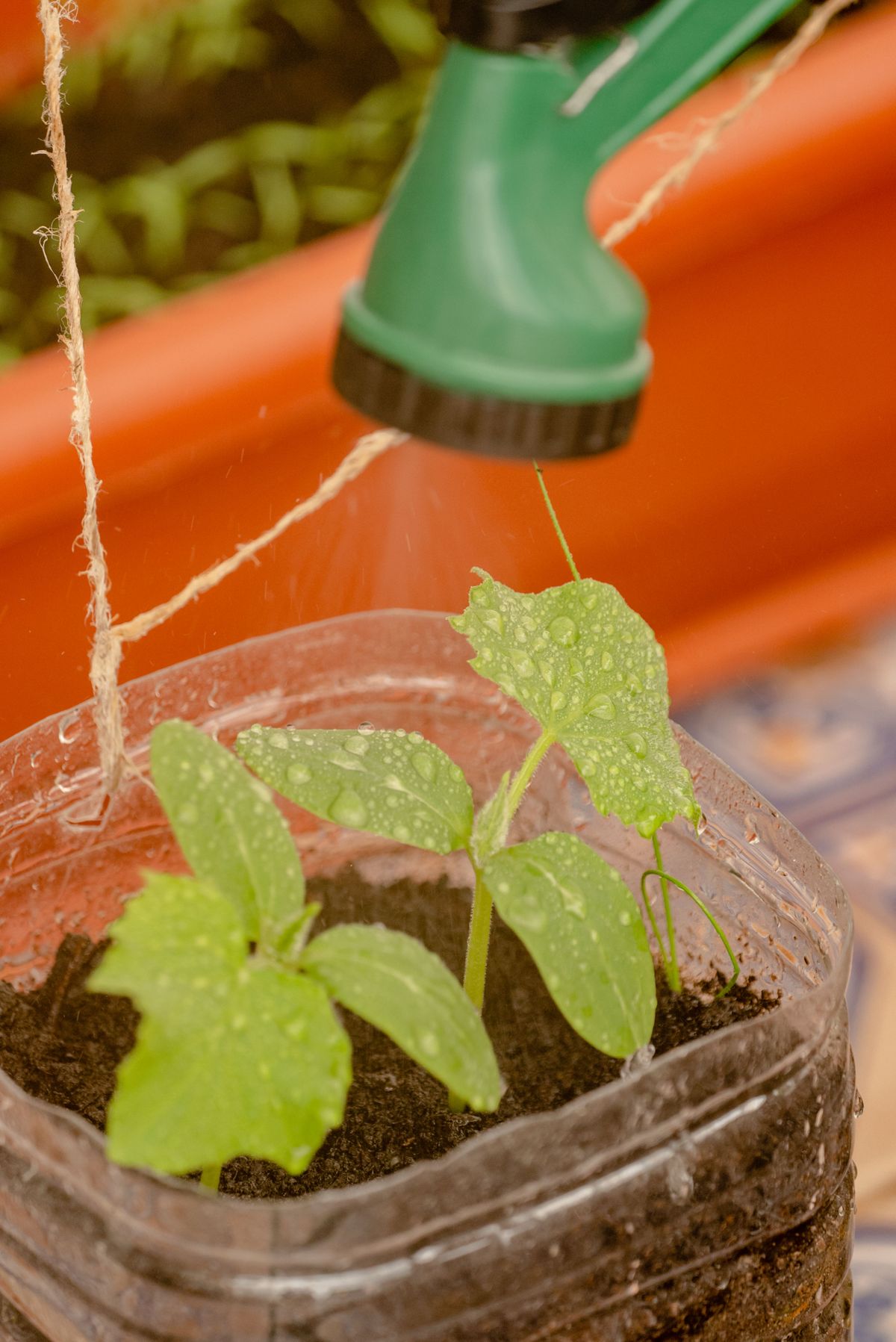
When the plant needs water, apply it in a way that moistens the medium rather than leaving most of it untouched. Let excess drain and empty the saucer or outer container. If a dry mix sheds water down the sides, pause and use the method recommended for that medium to rewet it gradually. Do not leave an ordinary houseplant sitting in water indefinitely because the surface looks dry. Avoid treating every wilt as thirst: wet roots, heat, pests, and other problems can also affect leaves. Inspect the pot before adding more water to a struggling plant.
Adjust when conditions change
Move a plant into stronger light and its water use may change; move it into a cooler, darker room and the pot may remain moist longer. Heating, open windows, and seasonal growth also matter. Recheck your routine after repotting because a larger volume of medium can hold moisture differently. Reduce assumptions when you travel or ask a friend to care for the plants. Leave plant-specific instructions describing what to check, where water drains, and when to skip watering. A calendar can schedule the inspection while the condition of the pot determines the action.
Notice patterns before adding products
Yellowing leaves, slow growth, or brown tips deserve an assessment of light, roots, drainage, and water quality before a fertilizer purchase. Maryland Extension notes that softened water can create problems for houseplants, so identify your water source where relevant. If salts or drainage seem to be involved, follow species-appropriate extension guidance rather than improvising a harsh treatment. Photograph the plant and compare new growth over time. A reliable watering practice produces an understandable pattern: the medium receives water when needed, excess leaves the container, and the plant's response guides the next adjustment.
Sources & further reading
Source links support the factual context. Practical examples and suggested workflows are original editorial guidance. Sources checked October 5, 2026.
Spotted something we should correct? Send a correction. Read our editorial policy.