Choose drought-tolerant plants for your actual soil
Summer resilience must be checked alongside winter drainage, hardiness and establishment needs.
Describe both difficult seasons
A plant praised for surviving dry summers can struggle in a cold, wet winter. Begin by describing your site's full year: sun, frost, wind, drainage, and the periods when soil stays wet. RHS dry-garden guidance explains characteristics and conditions associated with drought-tolerant planting. Use that as a starting point, then check species-specific suitability for your region. A generic dry-garden list cannot account for every climate. Write down the conditions in the intended bed, including shade from buildings or trees. Choosing for the whole year produces a more durable planting than choosing only for the hottest month.
Understand drainage before planting
Observe the ground after rain and during the season when it is most likely to remain wet. If soil holds water for long periods, identify whether the issue is soil structure, topography, compaction, or a drainage constraint. Seek local advice before making major changes, especially near buildings or utilities. Do not assume a small handful of grit in a planting hole transforms the wider site's drainage. Choose plants suited to the actual ground or create an appropriately designed alternative growing area. A drought-tolerant label does not make a root system immune to unsuitable oxygen and moisture conditions.
Build a regional shortlist
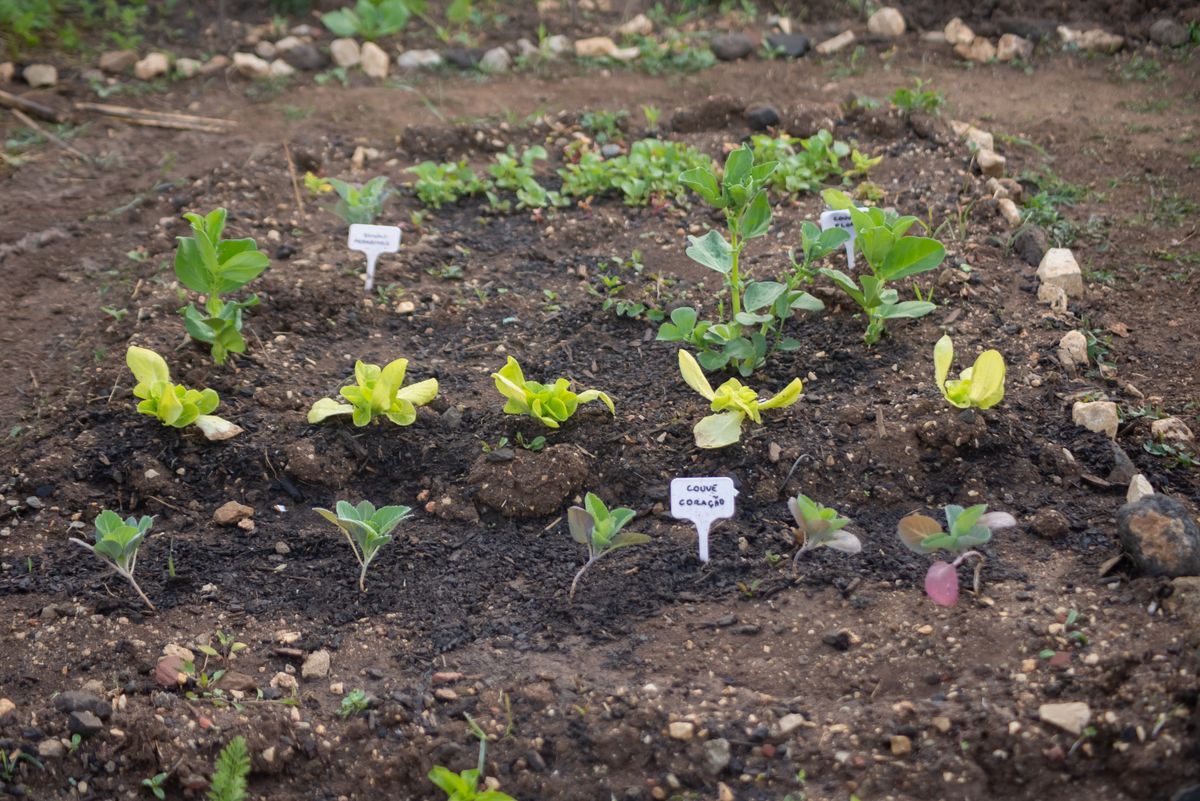
Use local botanical, extension, or native-plant resources to identify species that fit your climate and ecological context. Check mature size, spread, invasiveness, and hardiness. Consider native plants where they are appropriate, while recognizing that native does not automatically mean suited to every spot in the region. Group plants with similar water needs. Buy a modest number first and keep their names and care information. A trial bed lets you observe performance before repeating the design across a large area. It also makes it easier to replace an unsuitable choice without losing the whole planting investment.
Support establishment
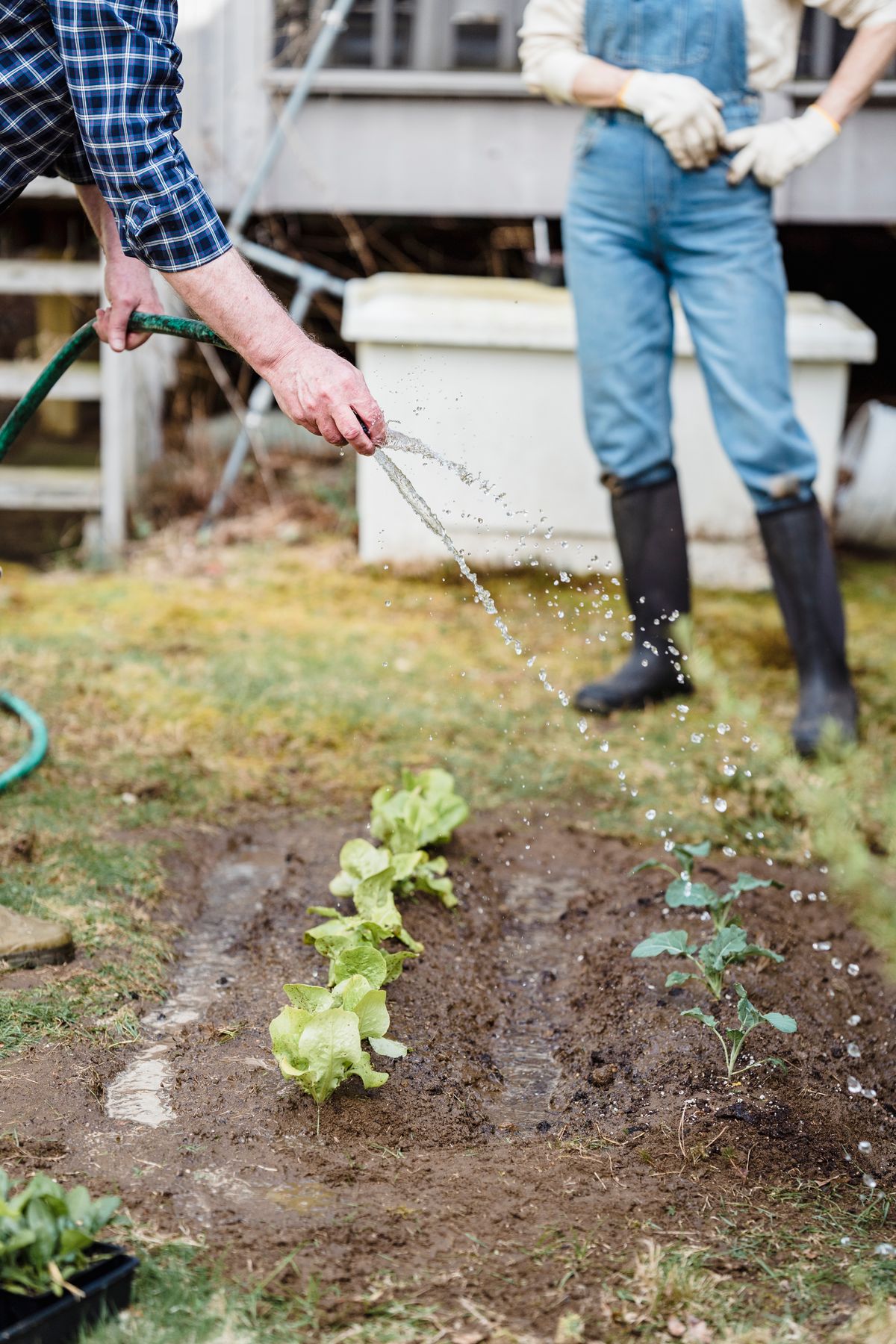
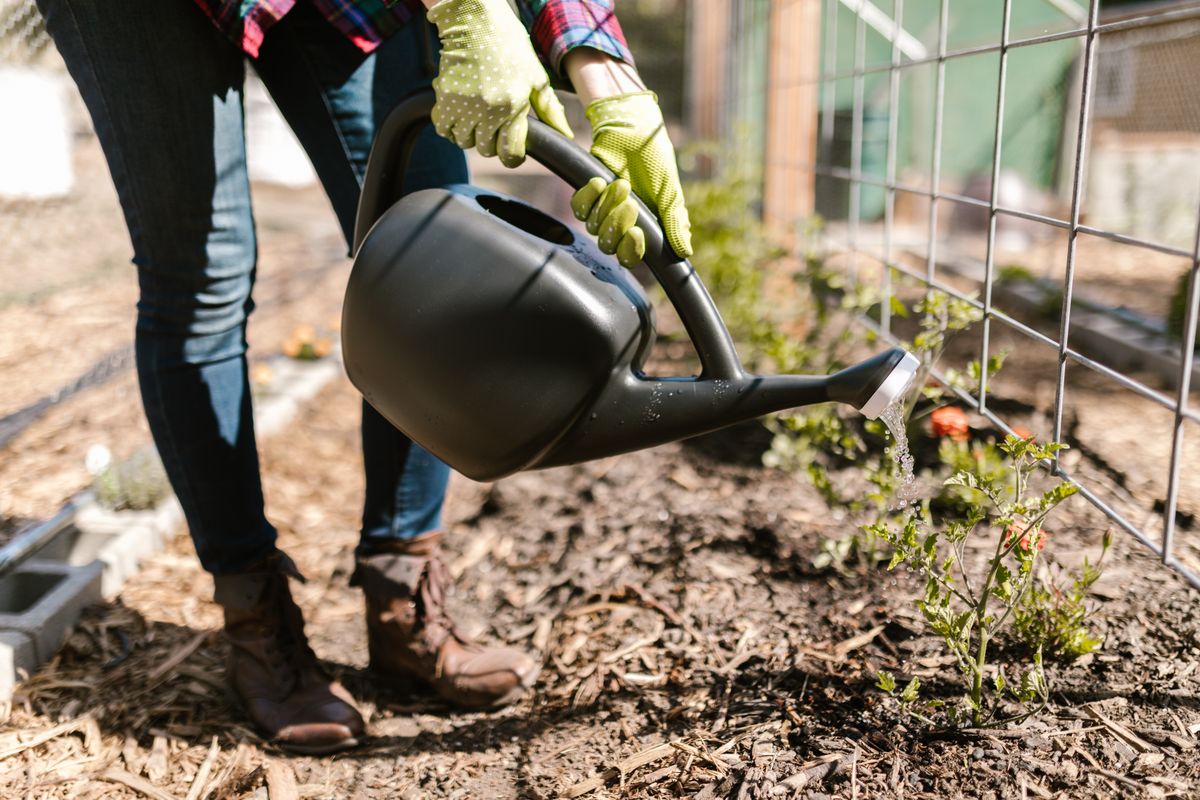
Drought tolerance often describes an established plant rather than a newly planted specimen. Follow species-appropriate planting and watering guidance while roots develop. Choose a suitable planting window for your climate and avoid forcing the work into severe heat, frozen ground, or waterlogged soil. Keep mulch and surface treatments compatible with the plant's needs. Check moisture rather than watering automatically. Make sure a plant has settled before withdrawing establishment care. The objective is to encourage a root system that can use the site well, not to test survival immediately by denying water to a recent nursery plant.
Evaluate without romanticizing stress
Track growth, flowering, winter survival, and the amount of watering required. Note whether the plant thrives or merely remains alive with chronic damage. Reconsider placement if it repeatedly struggles. A resilient garden can include some vulnerable plants in manageable areas, provided you understand the additional care they need. Use what you learn to improve the next season's choices. The strongest dry-garden design is a local match among plant, soil, and climate, supported by sensible establishment. It reduces routine demand because the planting belongs in the site, rather than because every species carries the same fashionable label.
Sources & further reading
Source links support the factual context. Practical examples and suggested workflows are original editorial guidance. Sources checked October 5, 2026.
Spotted something we should correct? Send a correction. Read our editorial policy.