Give tomatoes support before they need rescuing
Choose the growth habit, install the structure early and keep fruit off the soil.
Choose a plant that fits the space
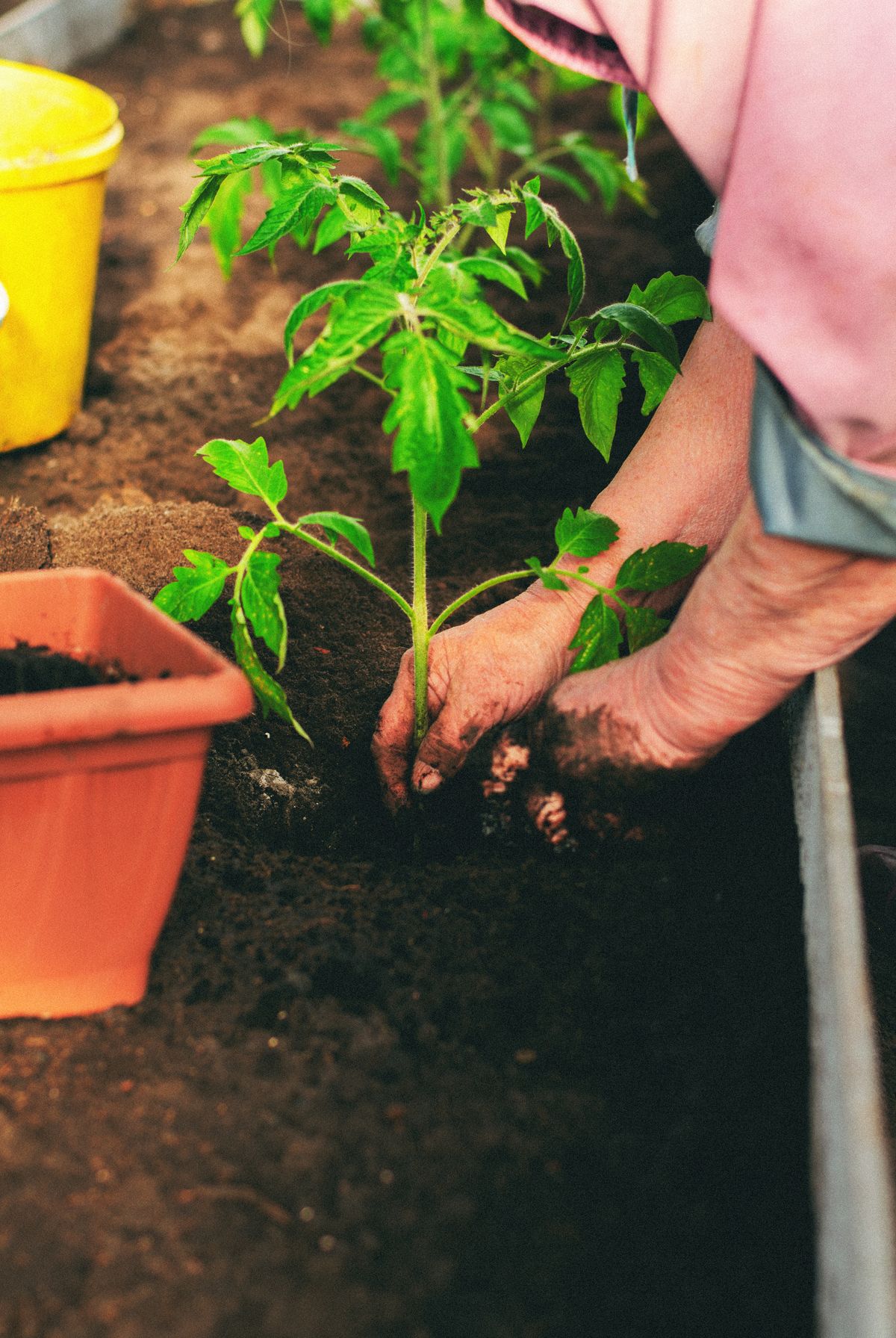
Tomatoes differ in growth habit, mature size, disease resistance, and harvest pattern. Read the variety description before buying, paying attention to determinate and indeterminate growth. University of Minnesota Extension's tomato guide explains these distinctions and provides planting and care guidance. A balcony container, small bed, and long garden row may suit different choices. Decide whether you want a manageable plant for concentrated harvests or a larger vine requiring regular support. Match the variety to the available growing season and local conditions rather than selecting solely because a photograph shows an impressive cluster of fruit.
Install support at planting
Put a suitable cage, stake, or trellis in place while the plant is small, taking care around the roots. The structure should be strong enough for the expected mature plant and exposed conditions. A light ornamental cage can become inadequate once foliage and fruit add weight. For containers, check stability and avoid a setup that can topple in wind. Leave access for watering, harvesting, and inspecting leaves. Early support reduces the need to lift a heavy sprawling vine later, when stems can break and the plant has already begun lying across the soil or surrounding crops.
Guide growth with gentle ties
Use ties that support stems without cutting into them and inspect them as growth thickens. Attach to the support according to the system you chose, leaving room for movement. Pruning needs depend on variety and training method, so use reliable guidance for your particular approach rather than removing every side shoot by habit. Keep tools clean and avoid rough handling when stems are wet or fragile. Maintain enough foliage for the plant's needs. The purpose of training is a stable, accessible canopy, not the most aggressively stripped vine you can produce.
Keep water and observation consistent
Water the root zone as appropriate to soil, weather, and plant stage. Containers can dry differently from beds and need separate checks. Avoid frequent cycles of severe drying followed by saturation. Use a suitable mulch where appropriate and leave space around the stem. Inspect leaves and fruit regularly for changes, noting whether symptoms appear on old leaves, new leaves, or fruit. A diagnosis depends on those details. Do not assume every fruit problem is a lack of fertilizer or apply a treatment before identifying whether the cause is environmental, physiological, pest-related, or disease-related.
Harvest and learn from the season
Pick according to the variety and your intended use, using clean containers and handling fruit gently. Record the variety, planting date, support system, and problems that affected yield. At the end of the season, clean and store reusable supports and follow local guidance for diseased plant debris. Compare the result with the goal you began with: manageable fresh eating, preserving, or a small patio harvest. Good tomato support is part of a complete plan. It helps keep plants accessible and fruit clean while making ordinary watering, observation, and picking easier throughout the growing season.
Sources & further reading
Source links support the factual context. Practical examples and suggested workflows are original editorial guidance. Sources checked October 5, 2026.
Spotted something we should correct? Send a correction. Read our editorial policy.