Grow a container salad garden you can harvest regularly
Match greens to the season and sow only what your household can use.
Choose a manageable first harvest
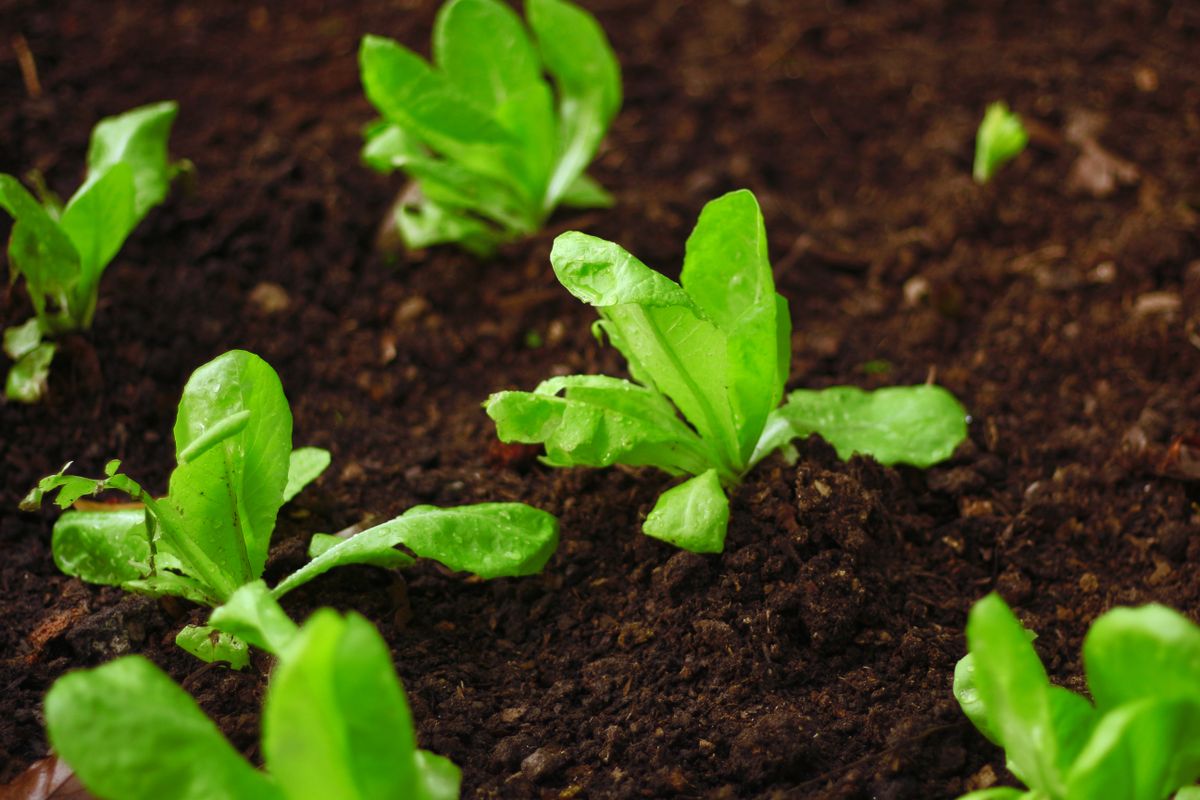
A salad garden can begin with a few containers rather than a complete balcony makeover. Pick greens suited to your local season and the light available. University of Maryland Extension's container guidance describes growing vegetables and salad tables, with practical attention to container size and drainage. Decide how often your household eats fresh leaves and plan a modest crop around that use. A small quantity harvested well is more satisfying than an overgrown collection you cannot water or eat. Check building rules and structural limits before adding large or heavy containers to a balcony or elevated surface.
Build a stable growing setup
Use containers appropriate to the crop, with drainage and a growing medium suited to container vegetables. Place them where you can reach the leaves and water without leaning over a railing or standing on an unstable object. Protect the surface beneath them and manage runoff responsibly. Avoid filling containers with dense garden soil that performs poorly in a pot. Label the crops and sowing dates. If you use a shallow salad table, understand which plants fit its root space rather than treating the table as a universal substitute for deep containers needed by larger vegetables.
Sow in small installments
Follow crop-specific sowing depth and spacing guidance. Instead of planting the entire supply at once, reserve part for a later sowing that fits the season. Succession works only when temperature, light, and remaining growing time are suitable, so check local recommendations. Thin crowded seedlings as needed; density can make plants weak and complicate airflow. Keep the medium evenly appropriate for the crop without creating standing water. Protect young plants from pests using a method suited to your site. A clear label and a calendar note make the next small sowing easier to remember.
Harvest for the plant and the meal
Use clean scissors or another suitable method for the chosen greens, following guidance on whether outer leaves or a whole plant should be harvested. Do not assume every species regrows indefinitely after cutting. Leave enough healthy tissue when using a repeat-harvest approach. Pick quantities you will use promptly and wash produce appropriately before eating. Keep pets and contaminated water away from edible crops. Record how long the planting supplies useful leaves, because packet maturity times and actual household harvest patterns can differ. That observation helps you size the next sowing more accurately.
Replace crops when conditions change
When greens become tough, bolt, or decline, assess the season and plant condition rather than forcing continued growth with fertilizer. Remove spent plants and plan another suitable crop or a break. Check the medium and container instructions before refreshing nutrients. Clean tools and inspect drainage periodically. A container salad garden is a repeatable sequence of sowing, thinning, harvesting, and replacement. Its success comes from matching a small amount of growing space with local conditions and household use, making fresh food an ordinary part of your week rather than a project that demands constant rescue.
Sources & further reading
Source links support the factual context. Practical examples and suggested workflows are original editorial guidance. Sources checked October 5, 2026.
Spotted something we should correct? Send a correction. Read our editorial policy.