Use an autumn garden review to prepare for a changing climate
Record heat, drought and wet-ground failures before ordering next season’s plants.
Review the whole growing season
Autumn in a temperate Northern Hemisphere garden offers a useful chance to record what happened before memory turns the season into a few attractive photographs. In another climate, choose the equivalent pause between major growing periods. List heat stress, dry spells, heavy rain, late cold, and any repeated care demands. Separate weather damage from pests, disease, and poor placement. RHS sustainability guidance, including peat-free choices, provides practical routes for reducing gardening's environmental impact. Your own review should connect those broader choices with the particular conditions that shaped your site this year.
Record where plants struggled
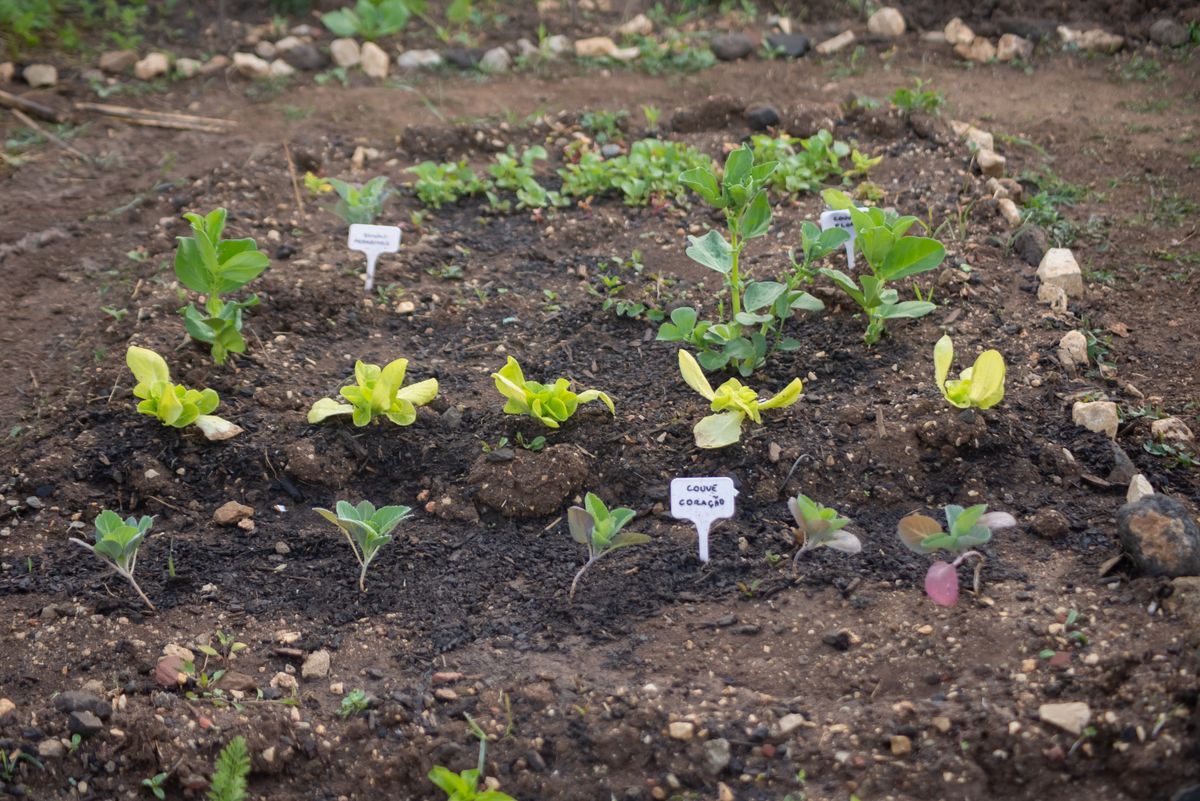
Mark losses and persistent problems on a rough map. Note soil, light, exposure, and whether a plant was newly established or long settled. A recent transplant's failure during drought does not necessarily prove the species is unsuitable, while repeated winter-wet losses may reveal a site mismatch. Keep plant names and photographs with the notes. Record what watering or protection was provided. The details help you distinguish a plant-choice problem from an establishment problem. Without them, it is easy to buy the same replacement next spring and repeat the conditions that caused the original failure.
Improve one system at a time
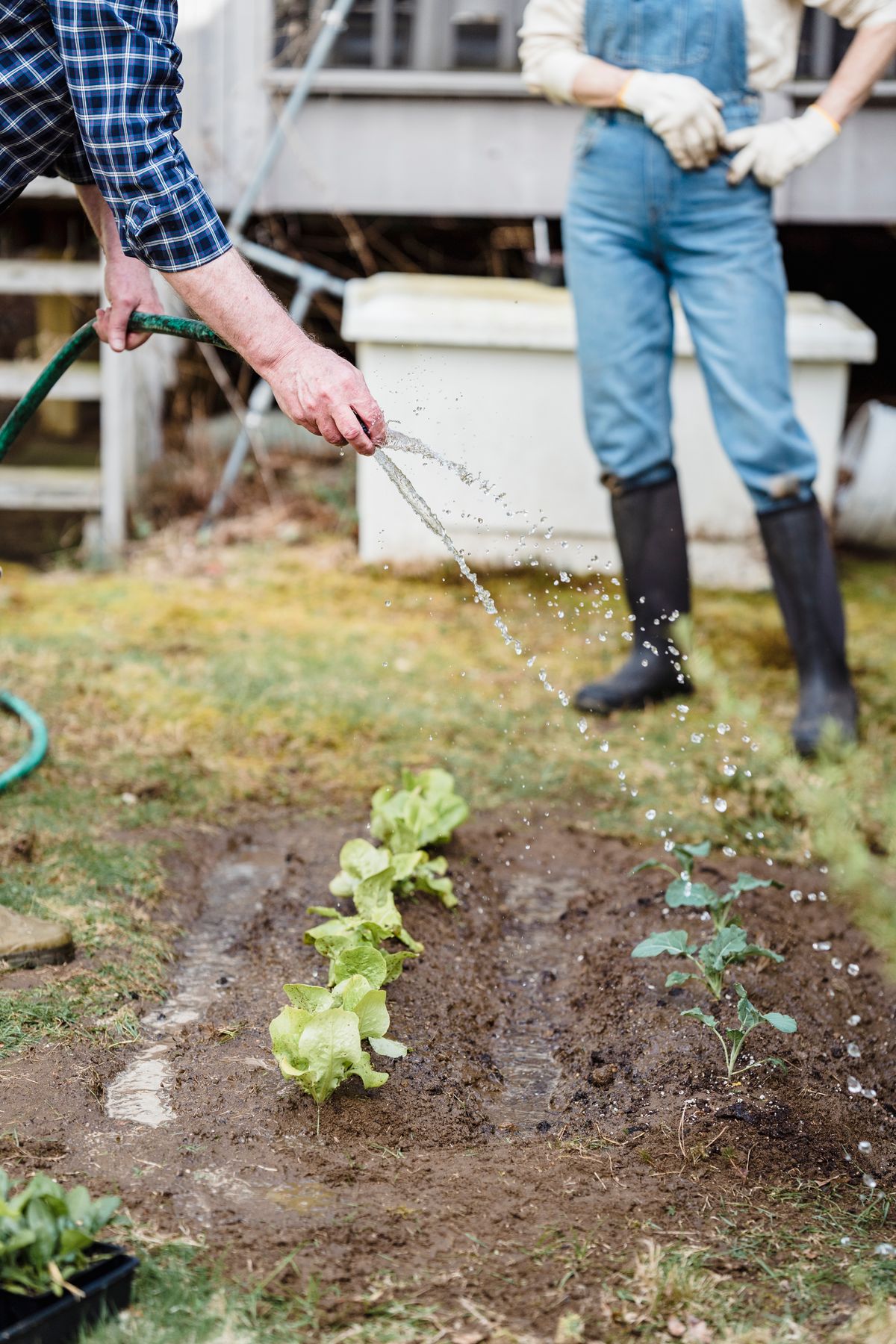
Choose a small number of practical changes: a better watering route, an appropriate mulch, a clearer compost routine, or plants grouped by moisture needs. Check local guidance before altering drainage or planting near structures. Avoid turning a seasonal review into an obligation to redesign the entire garden. A measured change is easier to evaluate. If you plan to use peat-free growing media, choose suitable formulations and keep the manufacturer's care instructions. If you plan new habitat areas, include establishment and maintenance. Environmental intentions become useful when they are attached to a routine you can actually sustain.
Plan planting windows locally
Autumn planting can suit some plants and climates, but it is not a universal instruction. Check species, soil conditions, local weather, and the time available for establishment. Avoid planting into waterlogged or frozen ground merely because the calendar says the season is favorable. In hot or dry climates, another window may be more appropriate. Keep a flexible schedule and identify what conditions would postpone the work. Review nursery availability without allowing a sale deadline to determine the planting date. A well-chosen window gives a suitable plant a better start and reduces the need for emergency intervention afterward.
Keep the next year's plan modest
Write three priorities with a reason and a way to observe the result. For example, reduce water wasted on paths, establish a late-flowering habitat patch, or replace a repeatedly failing species with a locally suitable alternative. Save the review where it will be visible before ordering seeds and plants. Keep successes in the plan as well; a resilient garden grows from understanding what already works. A seasonal review turns climate uncertainty into concrete decisions about site, timing, and care. It cannot control the weather, but it can reduce repeated mistakes and make the garden more adaptable over successive seasons.
Sources & further reading
Source links support the factual context. Practical examples and suggested workflows are original editorial guidance. Sources checked October 5, 2026.
Spotted something we should correct? Send a correction. Read our editorial policy.